
Healthy Food Options That Make a Difference in Perimenopause
Perimenopause can feel like your body suddenly changed the rules.
What used to work — your usual meals, workouts, routines — may no longer give you the same results. You might be noticing:
• Weight gain (especially around the midsection)
• Fatigue or low energy
• Increased cravings
• Bloating or digestive issues
• Mood swings or poor sleep
The good news? Nutrition can make a significant difference.
But it’s not about eating less — it’s about eating smarter.
Why Nutrition Matters in Perimenopause
During perimenopause, estrogen and progesterone fluctuate, which impacts:
• Blood sugar regulation
• Metabolism
• Appetite and cravings
• Fat storage
• Sleep and mood
This is why extreme dieting often backfires.
Instead, the goal is to support your body with foods that stabilize hormones and energy.
1. Protein-Rich Foods (Your Foundation)
Protein becomes even more important in perimenopause.
It helps:
• Preserve lean muscle
• Support metabolism
• Reduce cravings
• Stabilize blood sugar
Aim for:
• 20–30g per meal
Best options:
• Eggs
• Chicken, turkey
• Fish (salmon, sardines)
• Greek yogurt or dairy-free alternatives
• Lentils and beans
2. Fiber-Rich Carbohydrates
Carbs are not the enemy — the type and balance matter.
Fiber helps:
• Improve digestion
• Support hormone detox pathways
• Keep blood sugar stable
Focus on:
• Vegetables (especially leafy greens)
• Berries
• Sweet potatoes
• Quinoa
These support energy without the crash.
3. Healthy Fats for Hormone Support
Fats are essential for hormone production and brain health.
Include:
• Avocado
• Olive oil
• Nuts and seeds
• Fatty fish (omega-3s)
These can also help reduce inflammation and support mood.
4. Cruciferous Vegetables (Underrated but Powerful)
Vegetables like:
• Broccoli
• Cauliflower
• Brussels sprouts
• Kale
Help your body process and eliminate excess estrogen.
This can support hormone balance and reduce symptoms like bloating and breast tenderness.
5. Foods That Support Blood Sugar Stability
One of the biggest drivers of weight gain and fatigue in perimenopause is blood sugar imbalance.
To support stability:
• Pair carbs with protein and fat
• Avoid skipping meals
• Limit highly processed carbs and added sugars
This alone can improve energy, cravings, and weight management.
6. Hydration + Electrolytes
Dehydration can worsen:
• Fatigue
• Brain fog
• Headaches
Aim for:
• Consistent water intake throughout the day
• Add electrolytes if needed (especially if active)
What to Limit (Without Over-Restricting)
You don’t need to cut everything — but be mindful of:
• Highly processed foods
• Added sugars
• Excess alcohol
These can increase inflammation and worsen symptoms.
What This Looks Like in a Day
Simple example:
Breakfast
Eggs + avocado + sautéed greens
Lunch
Grilled chicken salad with olive oil
Dinner
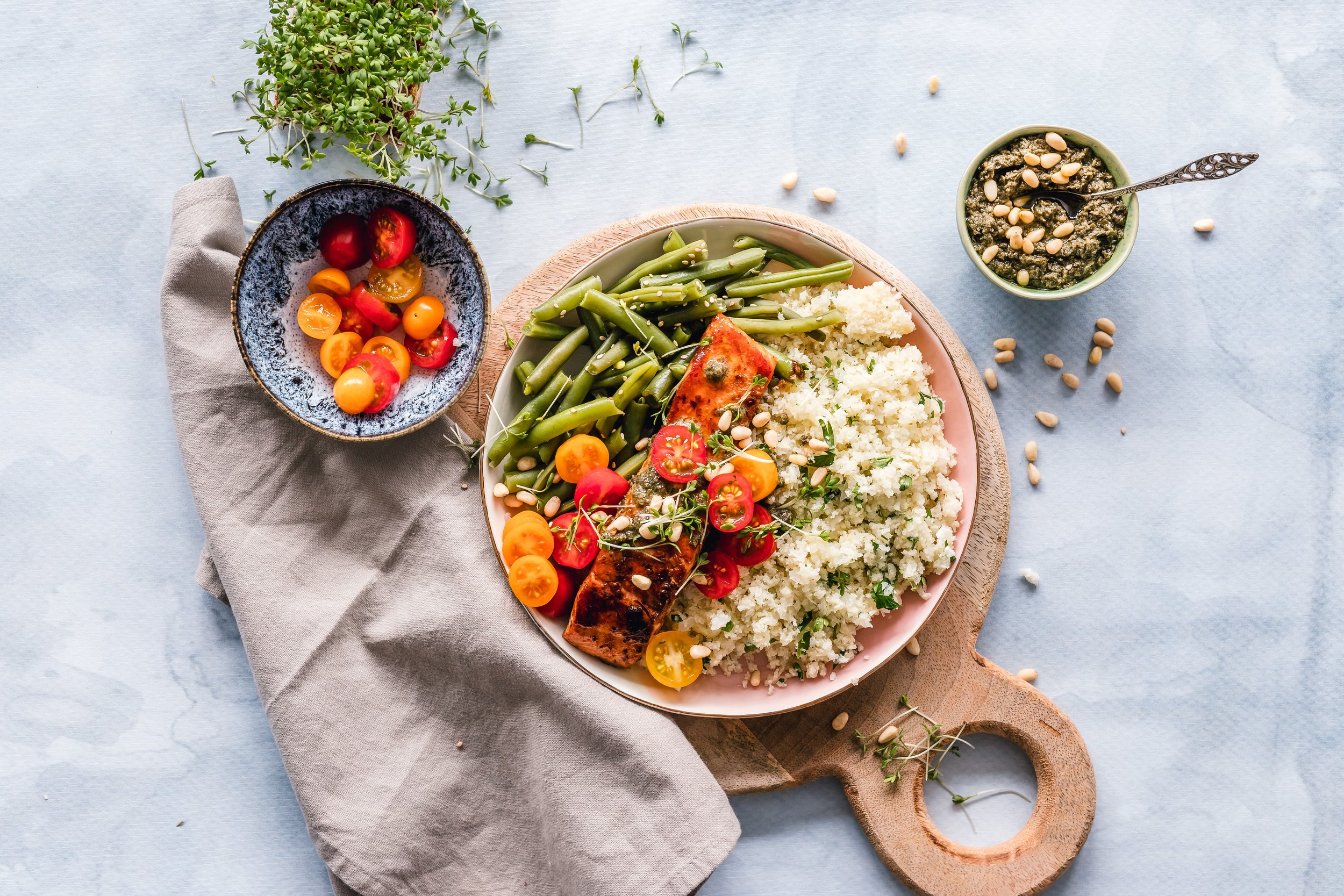
Salmon + roasted vegetables + quinoa
Snack
Greek yogurt + berries or apple + almond butter
Balanced, satisfying, and supportive of your hormones.
The Bottom Line
Perimenopause isn’t about doing more — it’s about doing the right things consistently.
Focus on:
• Protein at every meal
• Fiber-rich whole foods
• Healthy fats
• Balanced meals
Small changes here can lead to meaningful improvements in how you feel.
Work With Me
If you’re navigating perimenopause and feel like nothing is working anymore, you don’t have to figure it out alone.
I work with women to create personalized nutrition plans that support hormones, metabolism, and long-term health.
✔ Covered by Aetna, BCBS, Cigna, UnitedHealthcare
✔ Many clients pay $0 out of pocket
